

CEO’s Note

Dear Friends,

Welcome to the latest edition of CAPED Connect.

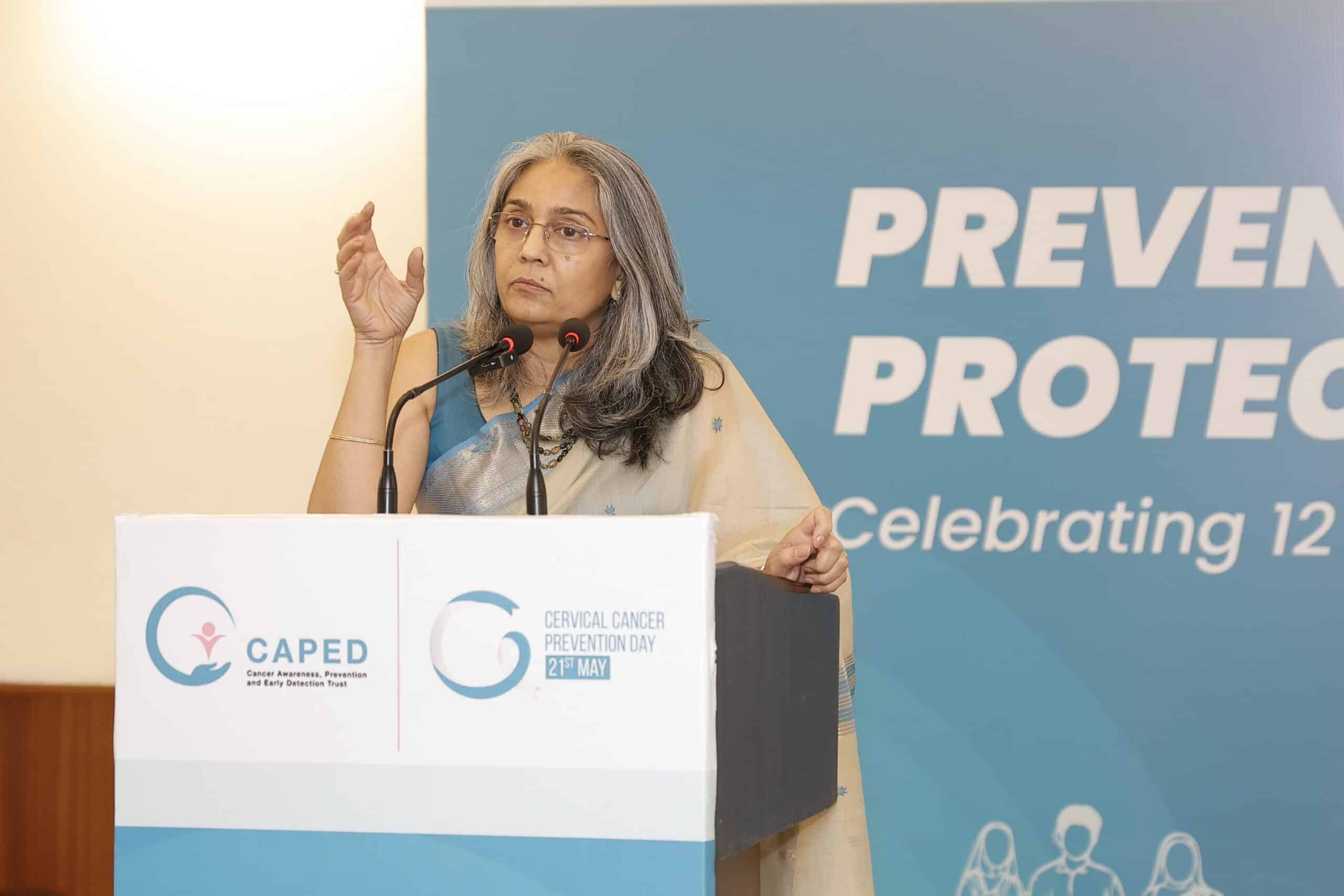
The past few months have been both exciting and inspiring for Team CAPED. As we celebrated 12 years of CAPED alongside the 5th edition of Cervical Cancer Prevention Day or CCPD as we call it, we were reminded of how far we’ve come and how much more we can achieve when communities, governments, healthcare professionals, and partners work together.

This edition captures some of the milestones from the past quarter, from strengthening district and state health systems and expanding research initiatives to showcasing CAPED’s work on global platforms. Behind every achievement are countless individuals whose passion and commitment continue to drive our mission forward.

While we celebrate these milestones, our focus remains firmly on the future. Together, we will continue working towards a world where every woman has access to timely prevention, early detection, and quality care for cancer.

Thank you for your continued trust and support. We hope you enjoy this edition and remain a part of our journey toward eliminating cervical cancer.

Warm regards,

Mridu Gupta
Co-founder & CEO, CAPED
RECENT MILESTONES: What We’ve Achieved Together

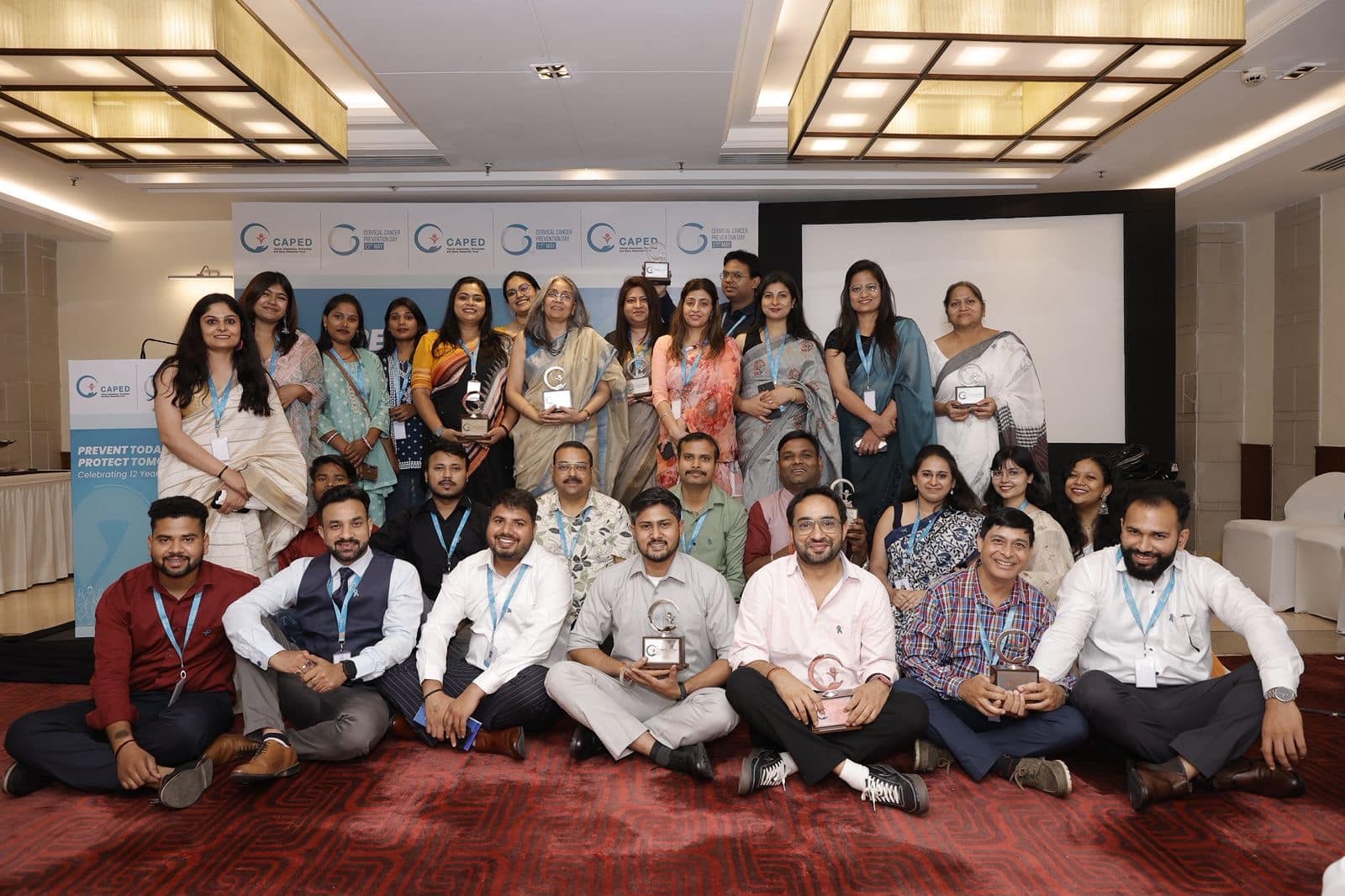
CCPD 2026: 12 Years of Turning Vision Into Impact

The last quarter was incredibly rewarding for Team CAPED as we celebrated our 12th anniversary alongside Cervical Cancer Prevention Day (CCPD). After two days of internal leadership workshops and strategic Advisory Council discussions, the spotlight shifted to our main event on May 21 at the India Habitat Centre.

CCPD 2026 brought together government leaders, public health experts, development partners, researchers, and community champions.
Read More…

AI in Cancer Care: Bridging High-Tech Innovation with Human Trust

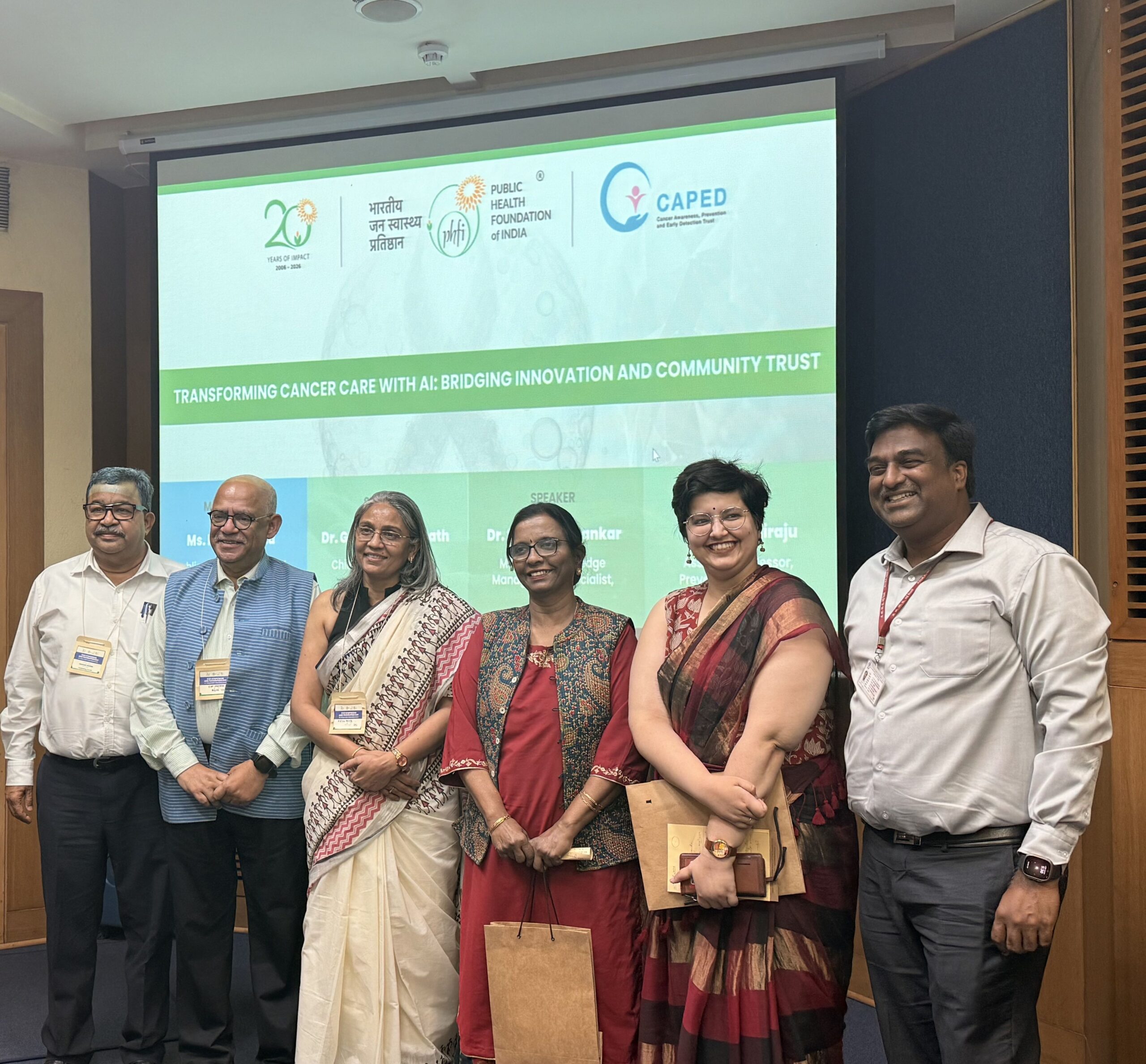
Can AI truly transform community healthcare? During the Public Health Foundation of India’s (PHFI) 20th symposium, CAPED curated and facilitated a critical panel on integrating artificial intelligence into cancer care.

Moderated by CAPED’s CEO, Mridu Gupta, the panel featured experts from Niramai, PCI, and the National Cancer Institute (AIIMS Jhajjar). The core takeaway was clear: technology alone cannot transform health outcomes. To succeed, AI must earn the confidence of healthcare providers, integrate smoothly into existing clinical workflows, and build absolute trust within the communities it serves.

Breaking New Ground: Uttarakhand Declares Cancer a Notifiable Disease in a Major Public Health Victory

In a historic move for public health policy, the Government of Uttarakhand has officially declared cancer a notifiable disease. For external stakeholders and partners, this is a massive milestone: it legally mandates that every single cancer case diagnosed in the state must be reported to the government registry. This transforms how cancer is fought—moving from guesswork to precise, data-driven state surveillance, allowing for better resource allocation, early tracking, and targeted healthcare infrastructure.
Read More…

ON THE GROUND: Our Active Impact & Research

Data Driven: Generating Evidence for Smarter Screening

Research is the backbone of effective public health strategy. CAPED is currently driving two major initiatives to improve screening methodologies:

  • ICMR Intramural Project :Assessing reach and effectiveness of primary HPV-DNA-based vs visual inspection methods for scalability and sustainability of cervical cancer screening in community-based settings in Delhi : An Implementation Research : Serving as Principal Investigator alongside ICMR-NICPR, we are evaluating VIA and HPV-DNA testing for 3,000 women.

Read More…


FIELD NOTES: The Space Between Care and Dignity

A personal reflection from Debkonya Ghosh, Associate Programs

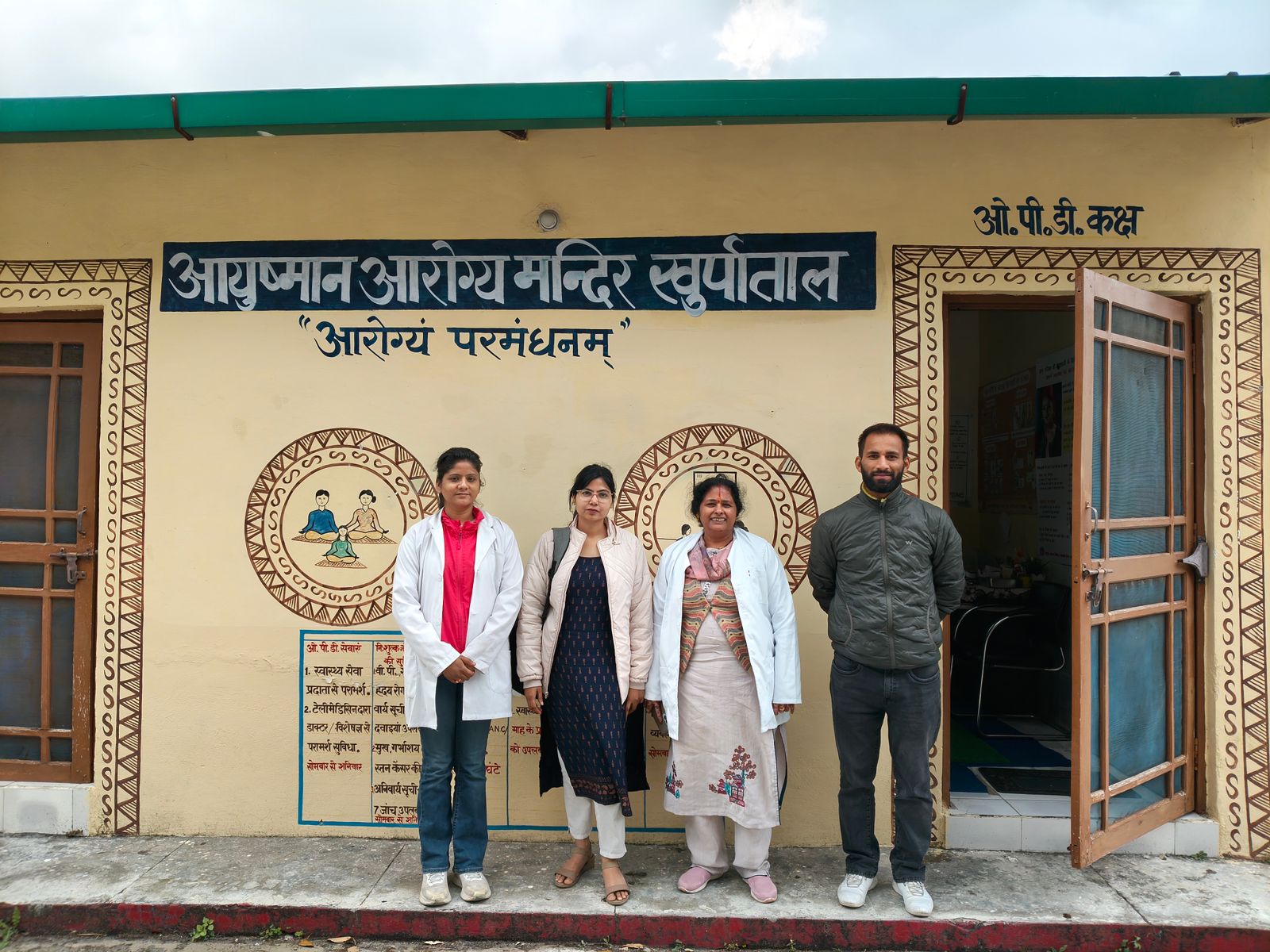
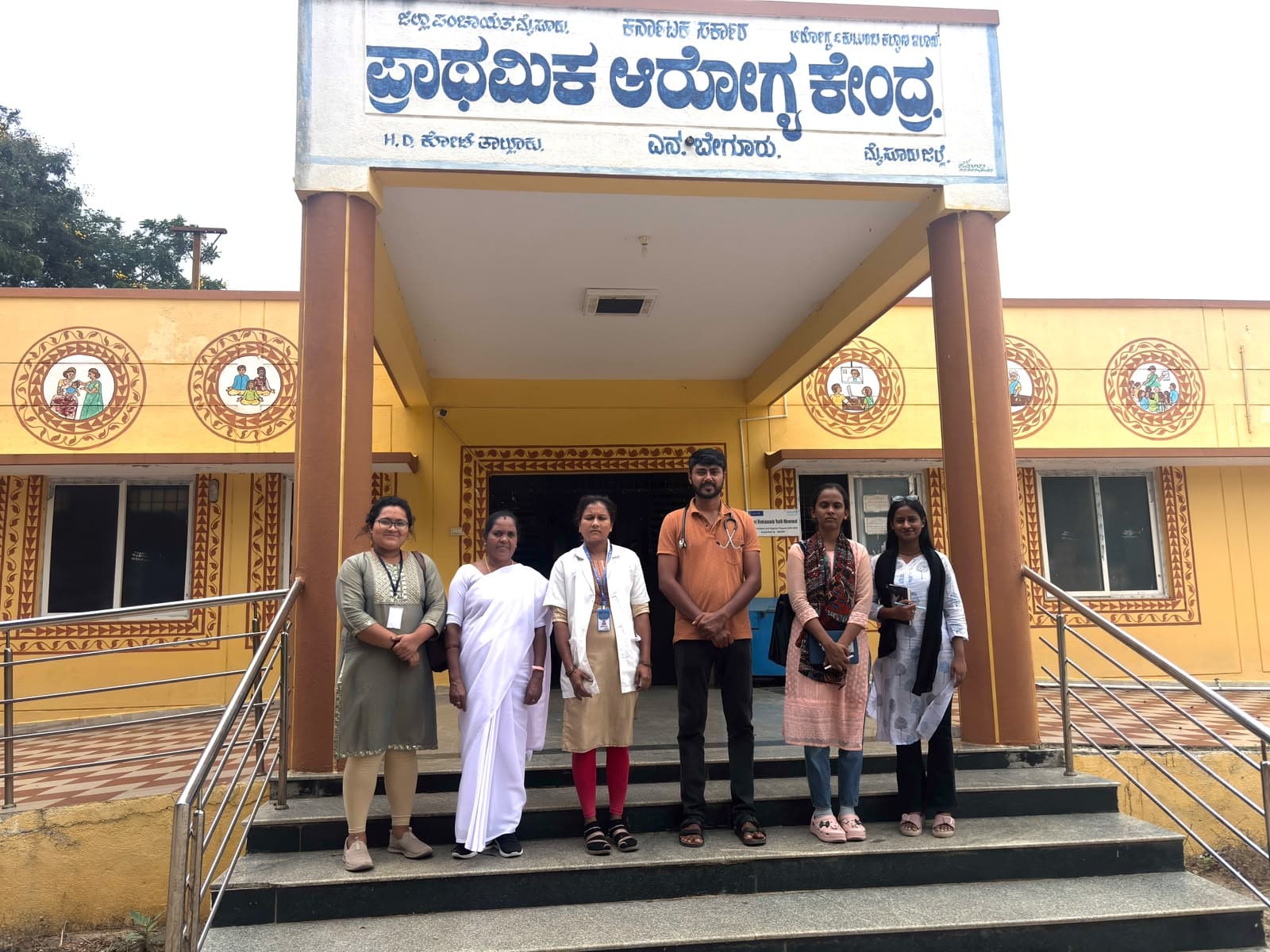
To be completely honest, I went into my first field visit with a bit of naivety. I was supposed to shadow an ASHA (Accredited Social Health Activist) training session at a local Primary Health Centre (PHC) to understand the mechanics of our programs.

But public health fieldwork rarely cares about your perfect schedule.

When I arrived, the training was abruptly canceled. Instead of throwing our hands up, our team pivoted instantly. With the Medical Officer’s green light, we hit the ground to mobilize local women for immediate cervical cancer screenings. Watching that quick transition was my very first lesson: out here, you don’t follow a rigid plan; you respond to what the community needs right that second.

Because we were shorthanded, I volunteered to assist the gynecologist during the VIA (Visual Inspection with Acetic Acid) screenings. I thought I’d be focusing on the clinical technicalities. Instead, I was hit with the raw, uncomfortable realities of public health infrastructure.

The PHC was overwhelmingly crowded. The tiny room assigned to us had been partitioned down the middle to accommodate multiple services at once. There we were, asking women to undergo an incredibly intimate, vulnerable examination with virtually no privacy.

Standing in that cramped space, a question kept echoing in my head: We talk constantly about healthcare access, but how often do we talk about dignity?

It felt fundamentally unfair that for these women, protecting their health meant sacrificing their privacy.

What shook me even more was the outcome. Out of just a small handful of women we screened, five tested VIA-positive. Five. It made me look at them and wonder: How long have they been quietly carrying this burden?

It is a common story, but it’s a heavy one. Women so routinely put their families, their homes, and their work ahead of themselves that their own bodies become an afterthought.

I left the PHC that day with far more questions and frustrations than answers, and honestly, I think that was the real lesson. Public health isn’t about clean statistics, spreadsheets, or hitting corporate targets. It’s about the lived experiences of human beings. If we want to truly strengthen healthcare, we can’t just expand services—we have to ensure those services are delivered with empathy, respect, and deep compassion. Because dignity should never be a luxury.

LOOKING AHEAD: What’s Next

Taking Our Mission Global: Join Us in Hong Kong and Athens

This year marks an important milestone for CAPED as our work receives recognition on two of the world’s leading global platforms dedicated to cancer prevention and HPV. The acceptance of our scientific submissions reflects the growing international recognition of our evidence-driven, community-centred approaches to cervical cancer prevention and HPV vaccine readiness in India.

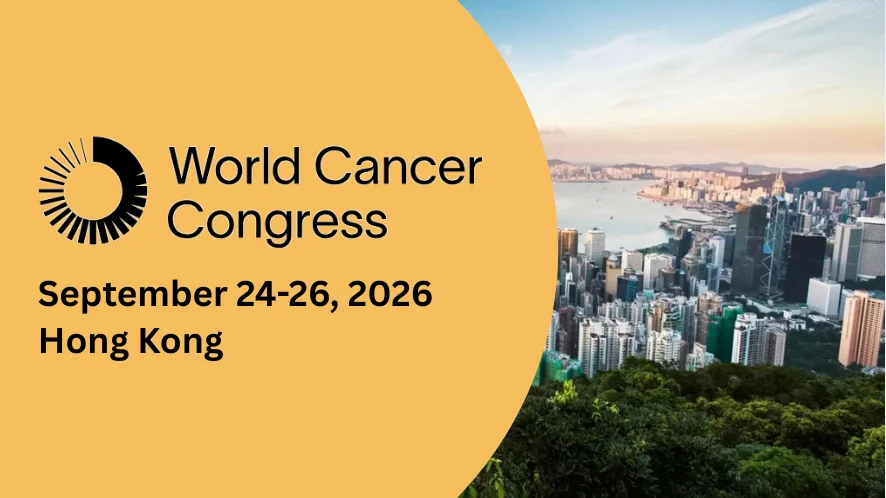
We are delighted to share that CAPED will be participating in the Union for International Cancer Control (UICC) World Cancer Congress 2026, to be held from 24–26 September 2026 in Hong Kong. Our team will present two accepted ePosters highlighting innovative approaches to cervical cancer prevention in India: “Decentralising HPV DNA Screening in Underserved Settings: A Hub & Spoke Model from Jharkhand, India” and “Improving HPV Vaccine Acceptance in India: A Multi-Sectoral Approach through Schools, Communities, and Partnerships.”

Further reinforcing this recognition, CAPED has also been selected to present at the 38th Annual Conference of the International Papillomavirus Society (IPVS 2026), taking place from 22–25 October 2026 in Athens, Greece. Our scientific session, “Strengthening HPV Vaccine Readiness in India: Lessons from Integrated Awareness and Delivery Models,” has been accepted under the HPV Awareness Track. The session will showcase CAPED’s experience in advancing HPV vaccine readiness through integrated awareness, community engagement, school-based interventions, health system strengthening, and multi-sectoral partnerships—demonstrating how locally developed solutions can inform global efforts to eliminate HPV-related cancers.

Electronic Flash Talk Presentation: STRENGTHENING HPV VACCINE UPTAKE IN INDIA: COMMUNITY-BASED AWARENESS AND DELIVERY INSIGHTS IN THE CONTEXT OF NATIONAL ROLLOUT 

E-Poster: HUB & SPOKE HPV DNA SCREENING IN JHARKHAND: A CROSS-SECTOR MODEL FOR INTEGRATING CERVICAL CANCER SCREENING INTO PRIMARY HEALTH SYSTEMS 

Mridu Gupta will represent CAPED at both conferences, sharing our learnings with researchers, policymakers, programme implementers, and global partners, while fostering new collaborations to advance equitable cancer prevention.

These achievements are a testament not only to CAPED’s commitment to innovation and evidence generation, but also to the trust and support of our donors, partners, and readers who have stood with us throughout this journey. Your support has enabled us to design, implement, evaluate, and scale models that are now contributing to global scientific and policy discussions. As we continue to expand this work to reach more women and communities across India, your continued partnership will be critical in helping us transform recognition into lasting impact.

If you will be attending either conference, we would be delighted to connect. Whether you would like to discuss our work, explore opportunities for collaboration, or simply meet the team, we look forward to seeing you in Hong Kong and Athens.

If you or your organization are attending either event, please reach out. We would love to connect and explore global collaborations!

Launching Now: The Mysuru Breast Screening Initiative

In collaboration with Karur Vysya Bank (KVB), we are officially expanding our breast cancer screening project into Mysuru. We are currently setting up local infrastructure and conducting facility assessments. Call to Action: If you are based in Mysuru or have networks in the city, we need your help to build community participation. Reach out to volunteer or connect us with local organizations to maximize our screening reach.

Watch & Listen: Changing the Conversation

Are you looking for a way to easily share our mission with your network? In her recent TEDx Talk, CEO Mridu Gupta discusses how open conversations around women’s health can destroy stigma and make prevention a shared responsibility.

Thank you for reading

Thank you for being part of CAPED’s journey toward a future where no woman dies from preventable cancer. Every conversation, collaboration, and action brings us one step closer to creating healthier communities. We look forward to sharing more stories, milestones, and opportunities to make an impact together in our next edition.