


In a historic move for public health policy, the Government of Uttarakhand has officially declared cancer a notifiable disease. For external stakeholders and partners, this is a massive milestone: it legally mandates that every single cancer case diagnosed in the state must be reported to the government registry. This transforms how cancer is fought—moving from guesswork to precise, data-driven state surveillance, allowing for better resource allocation, early tracking, and targeted healthcare infrastructure.
To guide this massive undertaking, the state has established a State Cancer Control Board, creating a unified ecosystem for prevention, diagnosis, and continuity of care.
As the official technical partner supporting the National Health Mission (NHM), Uttarakhand, CAPED is actively turning this policy into reality:
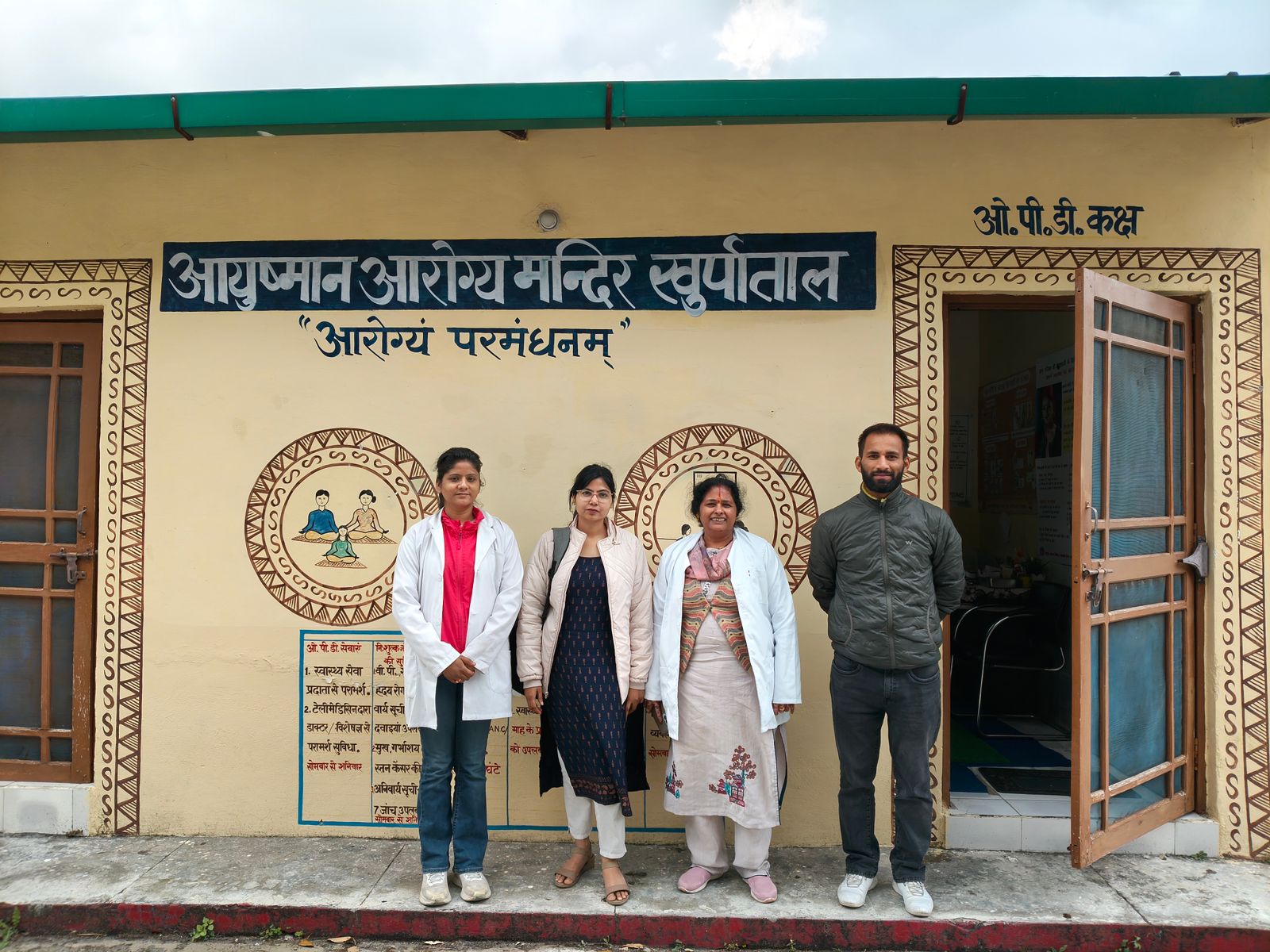
- Six-District Screening Rollout: We have initiated oral and breast cancer screening services through Non-Communicable Disease (NCD) Clinics across Pauri, Dehradun, Tehri, Haridwar, Udham Singh Nagar, and Nainital.
- Facilitating Screening with Advanced Technologies: In Udham Singh Nagar, CAPED successfully trained frontline healthcare providers.
NHM Uttarakhand Discusses Priorities for Strengthening Cancer Prevention and Care
Dehradun, Uttarakhand: The National Health Mission (NHM), Uttarakhand convened a strategic meeting to discuss priorities for strengthening cancer prevention, early detection, diagnosis, treatment and continuum of care across the state.
Chaired by Dr. Sandeep Tiwari, Mission Director, NHM Uttarakhand, the meeting brought together government officials, technical experts and partner organisations to explore collaborative approaches for improving cancer care services and health system preparedness. 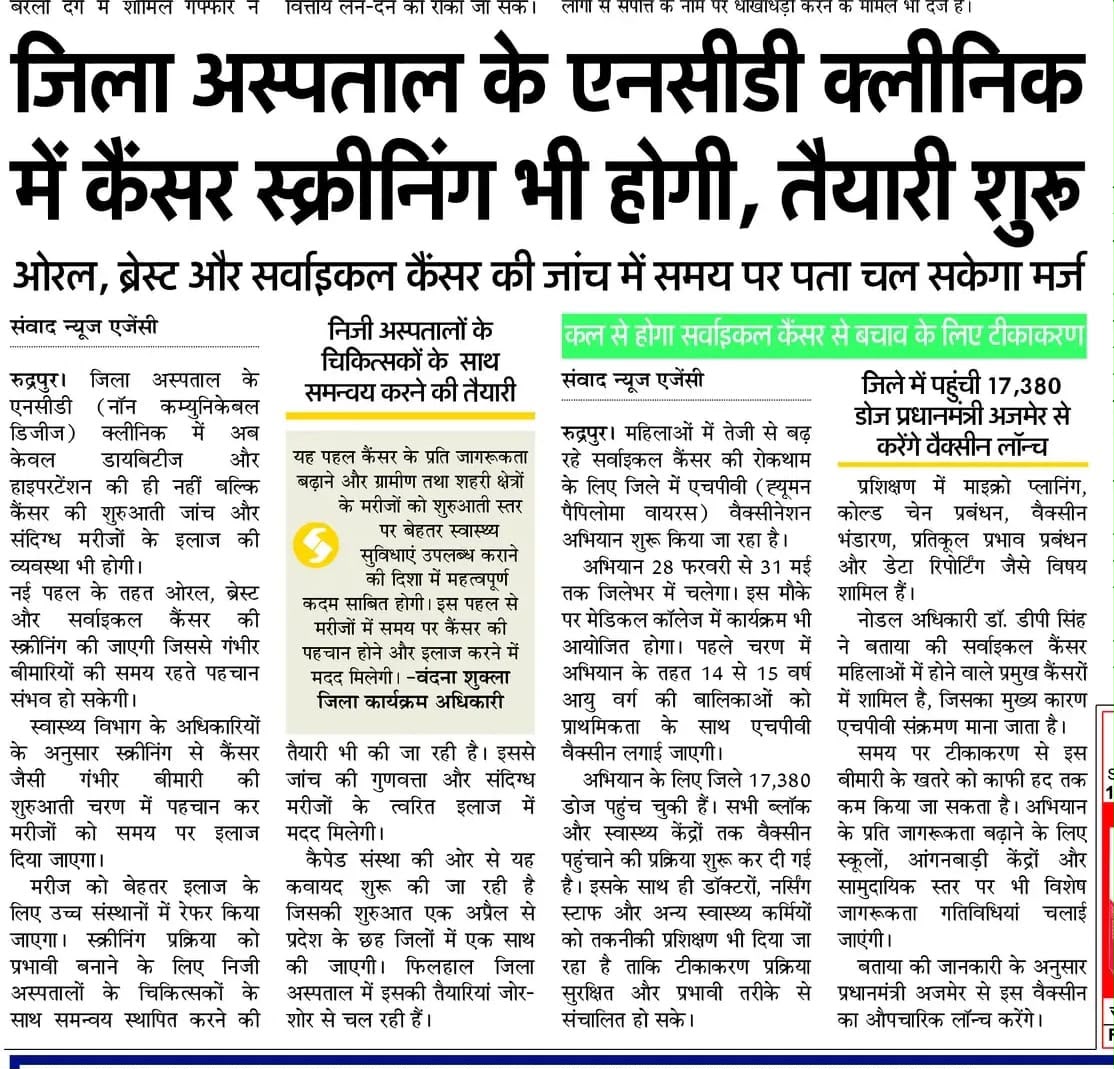
Key discussions focused on expanding screening services through Ayushman Arogya Mandirs (AAMs) and Primary Health Centres (PHCs), strengthening referral pathways, building the capacity of healthcare providers and increasing community awareness to support early detection and timely treatment.
Participants also discussed a phased implementation approach across selected districts, with an emphasis on strengthening frontline health systems and improving access to quality cancer care
The discussions reflected NHM Uttarakhand’s continued commitment to advancing cancer prevention and control through collaboration, capacity building and coordinated action across the state.