


23 Jul Health System Strengthening in Action: The Rajsamand Transformation
How Rajsamand integrated awareness, screening, and diagnostics to create a sustainable model for cervical cancer prevention.
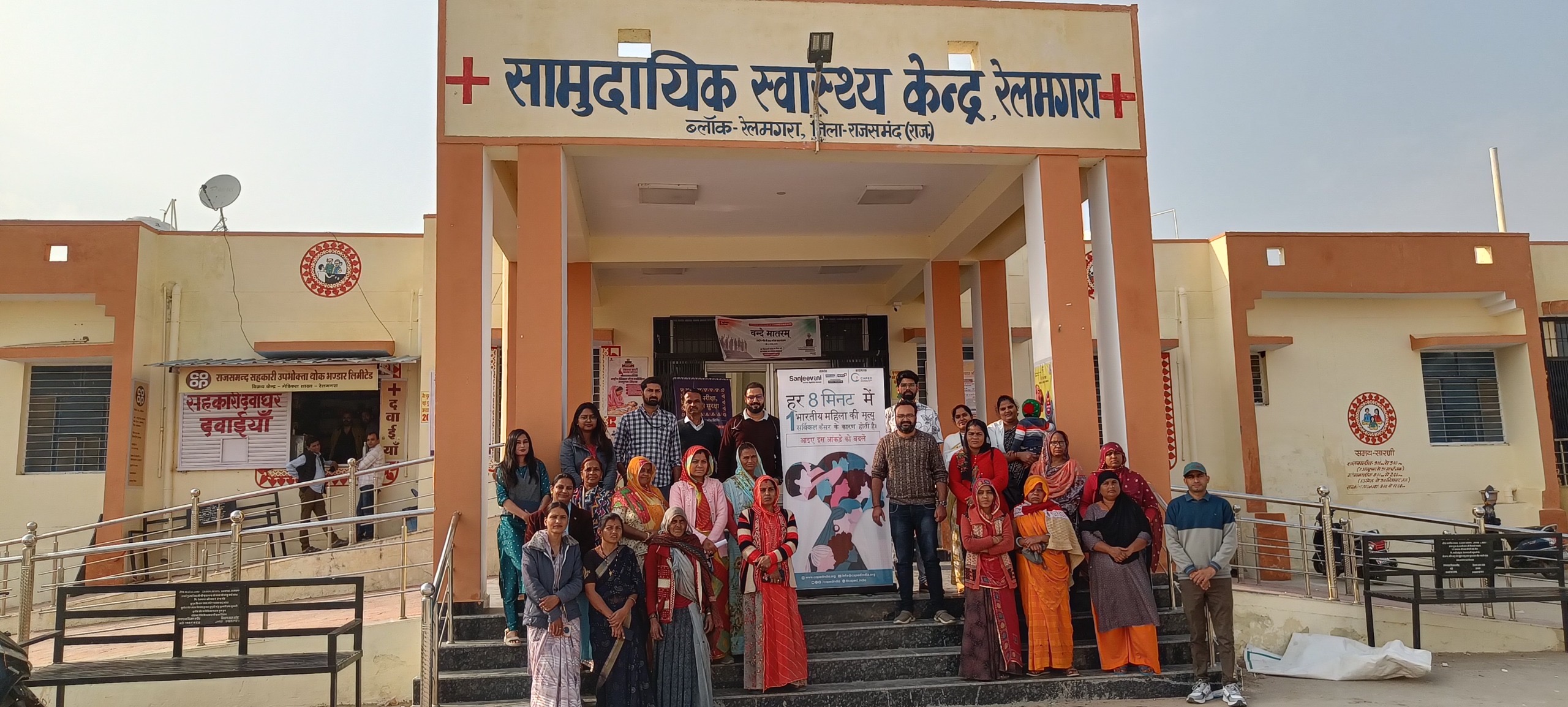
In the quiet villages of Rajsamand district, in southern Rajasthan, healthcare has long been shaped by distance. For many families, especially women, seeking medical care often meant travelling far beyond their immediate surroundings, sometimes nearly 100 kilometres to Udaipur for even basic diagnostic services. Preventive healthcare, in such a context, rarely found space in daily life. Cervical cancer, in particular, existed in near silence. It was not discussed, not understood, and almost never screened for.
 As recently as 2020, Rajsamand ranked 48th in cervical cancer screening across the state. The numbers reflected more than a gap in services—they revealed a deeper absence of awareness, access, and system readiness. Though screening was technically part of the national health programme, it had not translated into consistent action at the ground level. Primary Health Centres and Community Health Centres were not fully equipped, healthcare workers lacked specialized training, and there was no clear pathway for women who needed further diagnosis or care.
Supported by the American Cancer Society (ACS), Cancer Awareness Prevention and Early Detection (CAPED) stepped in as a technical partner, working closely with SP Seva Sansthan (SPSS), a grassroots organization deeply embedded in the communities of Rajsamand. SPSS had spent years working on women’s health and community development, but cervical cancer prevention was new territory, and that is when they met the expert CAPED. What SSPS encountered during their early interactions was striking—most women had never even heard of cervical cancer, and the word “cancer” itself carried fear and hesitation.
Rather than approaching the issue through short-term interventions, CAPED made a deliberate choice to build something more enduring. The goal was not just to increase screening numbers, but to strengthen the health system. The work began with understanding the system as it existed. A detailed gap assessment of health facilities revealed shortages in equipment, inconsistencies in service delivery, and a lack of trained personnel. When the gaps were identified and presented, the response was collaborative. Equipment was provided, facilities were strengthened, and space began to open for change.
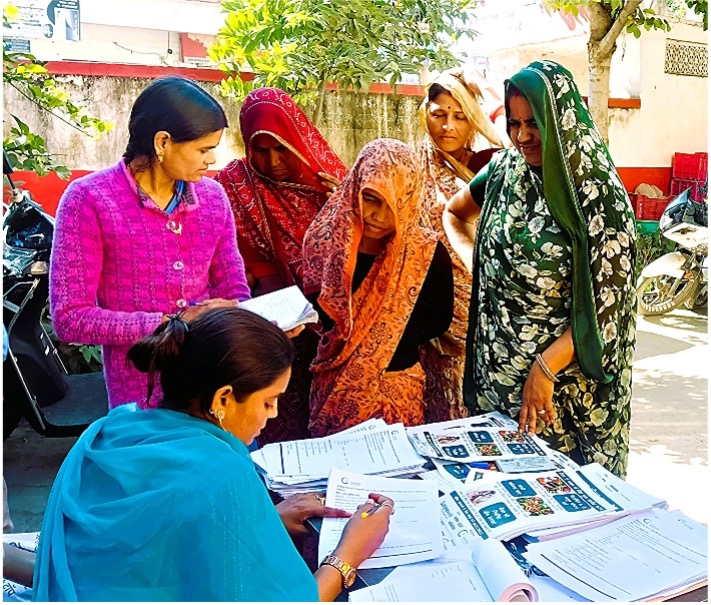
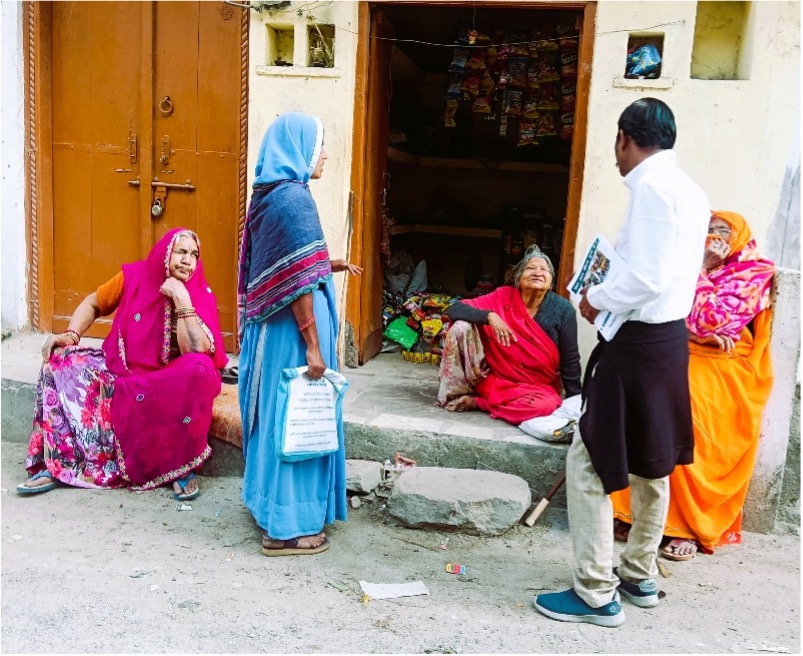 At the same time, attention turned to community heroes, the individuals who would ultimately carry this work forward. ASHA workers were trained to engage with communities, going door to door to speak with women about a subject that had rarely been discussed openly. Staff nurses, ANMs, and Community Health Officers received clinical training in screening techniques, supported by CAPED and National Cancer Institute (NCI). Systems for data reporting were streamlined, ensuring that every step—from awareness to screening—was documented and monitored.
In the early days, progress was slow and uncertain. ASHAs were already managing heavy workloads, and adding cervical cancer awareness to their responsibilities felt daunting. Many women were hesitant to participate, unsure of what screening involved or fearful of what it might reveal. Even within the system, there was scepticism about whether meaningful change was possible.
But slowly, something began to shift.
Conversations started happening in homes and village meetings. Women who had never spoken about their health began asking questions. ASHA workers, once unsure, grew more confident in their role as communicators and mobilizers. Incentives and recognition helped sustain their motivation, and a sense of ownership began to take root.
Within six months, more than 3,000 women had been screened. When these numbers were shared with the district authorities, the first reaction was almost, “Yeh possible kaise hai?” The data went through a full round of double-checking, cross-checking, and maybe even a little head-scratching—just to be sure. But the numbers held up. What once sounded like an overambitious target had quietly turned into a real achievement.
 Yet, even as screening numbers rose, a critical challenge remained. Women identified as suspected cases still needed to travel long distances for further tests. For many, this journey was a barrier too great to overcome, risking a break in the continuum of care.
Recognizing this, the effort expanded beyond screening to address diagnostics. With government support, Pap smear services were established within the district hospital in Rajsamand. Gradually, these services extended to Community Health Centres at the block level. Local staff were trained, and the capacity to diagnose and respond to suspected cases began to grow within the district itself. What had once required travel to another city was now available closer to home, making follow-up more accessible and timely.
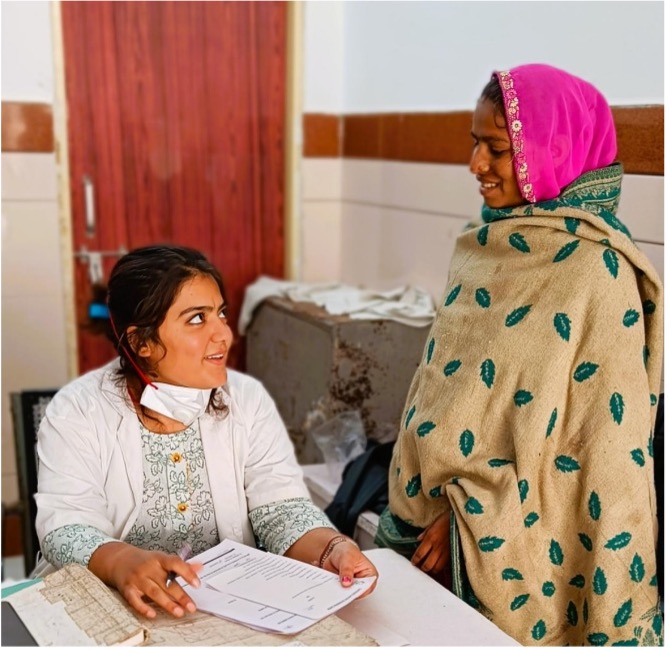
In one village, this shift made a life-changing difference. A woman in her early forties attended a community meeting, where she heard about cervical cancer for the first time. She mentioned experiencing occasional discomfort but had never considered it serious enough to seek medical attention. Encouraged by an ASHA worker, she hesitantly agreed to attend a screening camp at a nearby health centre. When she was identified as a suspected case, the system that had been built around her ensured that she was not left to navigate the next steps alone. She received counselling, was guided through further tests, and connected to appropriate care. Today, she continues to receive follow-up support—her condition identified early, her path to treatment clear.
Stories like hers began to reflect a larger transformation. The focus gradually shifted from conducting screenings to building a system that could sustain them. Health facilities started integrating cervical cancer screening into their routine services. Master trainers were developed at the block level to support ongoing capacity building. Government leadership became more actively engaged, issuing directives and conducting regular reviews to ensure continuity.
By the second phase of the project, the change was evident not just in numbers, but in ownership. Health facilities were conducting screenings independently, without direct operational support. Government-led screenings increased to between 2,000 and 2,500 women each month. What had started as an externally supported initiative had become embedded within the public health system.
At the community level, the change was equally profound. Women who had once been unaware of cervical cancer were now coming forward for screening. ASHA workers were discussing it as part of their routine visits. Families were beginning to support women in prioritizing their health. Preventive care, once distant and unfamiliar, was slowly becoming part of everyday life.
 In December 2025, Rajsamand achieved a milestone that would have seemed unlikely just a few years earlier. The district rose from 48th position to become the highest-performing district in Rajasthan for cervical cancer screening. The recognition that followed, including the felicitation of SPSS during Republic Day celebrations, acknowledged not just the outcome, but the effort, coordination, and persistence behind it.
The journey, however, is far from complete. While screening and diagnostics have improved significantly, the focus is now turning to strengthening patient navigation—ensuring that every woman who screens positive receives timely follow-up, guidance, and care. The goal is not only to detect disease early, but to ensure that no woman is lost along the way.
Rajsamand’s story is not simply about improved rankings or increased numbers. It is about what becomes possible when community trust, technical expertise, and government systems come together with a shared purpose. It is about shifting from isolated interventions to building systems that endure.
And perhaps most importantly, it is about breaking a silence—one conversation, one screening, and one life at a time.